A little over a year ago I was meeting with two researchers at my university with whom I was collaborating with. We were brainstorming some ideas on future microplastic studies that could be pursued by the group the university was starting to develop to address the topic. One of the researchers, a marine biologist, suggested creating a model that shows the microplastics in the water column, to which I replied, well that is a very interesting and important idea, but it is already being done by many experts in the field. I think I pushed an ego button on him because he stopped, looked at me and said “sweetheart, the best advice I can give you is that you can’t know everything.” After vomitting in my mouth a bit for being called “sweetheart” by a male colleague who isn’t even that much older than me, I looked back at him and said, “you can believe that if you want, but I’ll keep trying”.
This wasn’t the first time that a person has tried to convince me that I can’t know it all. Along my journey I have come across many people (older, younger, or my age) who tried to tell me that it is important to specialize, to know what you know the best. Well, that advice never stuck with me. The passion I have grows as I introduce new topics and skills into my toolkit. I want to know about art, language, math, chemistry, engineering, plastic pollution, carbon emissions, solar energy, wind power, writing, poetry, and anything else that peaks my interest. This characteristic is what makes me specialized in being me and this characteristic is why I understand anything at all.
I am a systems thinker, always have been. When I am learning about quantum computing, I am thinking about how this could demonstrate the functioning of marine food webs and thinking about how to depict this in a pretty and artistic way. When I am reading about modelling marine food webs, I am thinking of how the microplastic particles are moving within and around these models. I am thinking about the ocean currents and the wind patterns and even avalanches in the deep ocean sediment, all the while picturing the colors and feelings it gives me when imagining this. When I am writing for my blog I am thinking about my research and my art. Even when reading a novel I somehow end up thinking about my own research if I come across a sentence that speaks to me. I often have to stop to take a note so I don’t forget my genius ideas. Whatever spark is fired the most in my brain on a given day or in a given moment, I go on to find more information. I don’t put boundaries on the information I absorb because some random person, somewhere, decided that the rule is: you can only know one thing very well and if you stray from that you won’t be successful.
I am lucky to be someone who is only inspired, not discouraged, by people who tell me that I can’t do something, but I know that not everyone is this way. I want to inspire more people to do what they know they can, and even what they aren’t sure they can, regardless of what other people say and of course within the bounds of being morally “correct” which I typically define as not causing direct or indirect harm to others, we have no right to do that. I will tell you from my own experience that the people who believe that we are limited in our capacity to gain knowledge have been wrong all along. Forget them, never let someone restrict your potential.
In my little story above, I was the more informed individual on microplastics in this conversation, I had literally just spent an entire year reading scientific publications on the study of marine microplastics for 6 to 8 hours a day, 5 days a week. Did I start my PhD as an expert in marine microplastics? No, I was a chemist/climate science and solutions person. That doesn’t matter, though. I read scientific articles and looked up terms I didn’t understand until I understood. I read sampling protocols and procedures and looked into global citizen science initiatives and policy focused on marine microplastics. I was aware of what was and was not happening in the world of marine microplastics because of the effort I put in and the passion I had for the topic, not because I chose microplastics right out of highschool and devoted all of my learning to that specific topic. I don’t care how many books you have to read or YouTube tutorials you have to watch to grasp a concept, it is not one’s ability to immediately understand something that leads to him, her, or they to become an expert, rather it is your passion and motivation to learn something that will allow you to be an expert.
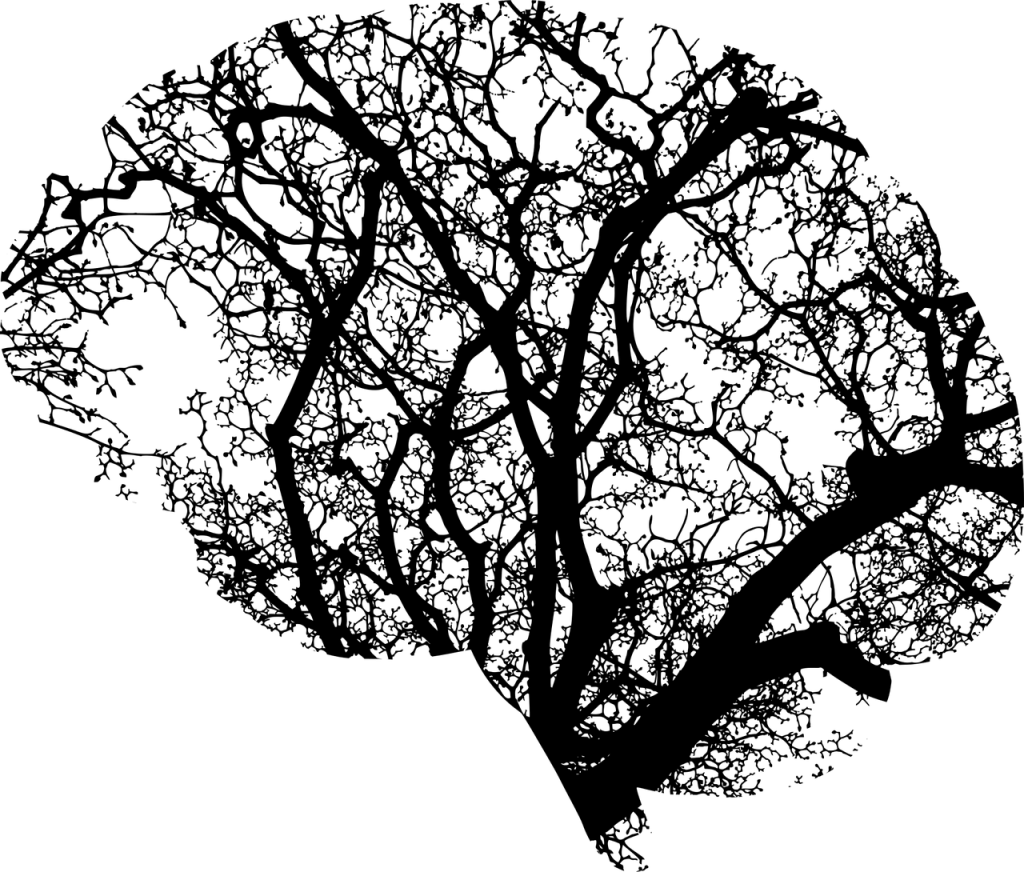
Keep striving to learn more. If you are reading a spicy romantic novel and your mind somehow trails off into the land of differential equations (it might happen) then try to understand why your brain makes the connection between the two, take a note of your genius idea and keep reading because you might find even more connections. There is a reason why you made this connection in your brain, no matter how completely unrelated it may seem. The brain doesn’t have to compartmentalize ideas, this isn’t a requirement at all. Thoughts are free to do as they wish and it would be foolish not to listen to them. These connections make us special and should be explored even if it leads to a dead end. So, get used to letting your brain do the weird things that it does and if someone tells you that you’re crazy or have an attention deficit because you drew a conclusion that they couldn’t come up with….then you are doing something right, my friend.
Much Love,
Val
 The Science of Working Together